Русский

Following the completion of the Tallinn Cyber Capacity-Building Fellowship Programme 2026, the Digital Resilience Association (DRA) is pleased to share key insights from the programme and reflect on lessons that are particularly relevant to Kyrgyzstan and Central Asia.
Organised by the e-Governance Academy (eGA) and the Ministry of Foreign Affairs of Estonia, the Fellowship provided an opportunity to explore Estonia’s experience in cybersecurity, digital governance and resilience through direct engagement with government institutions, international experts, academia and the private sector.
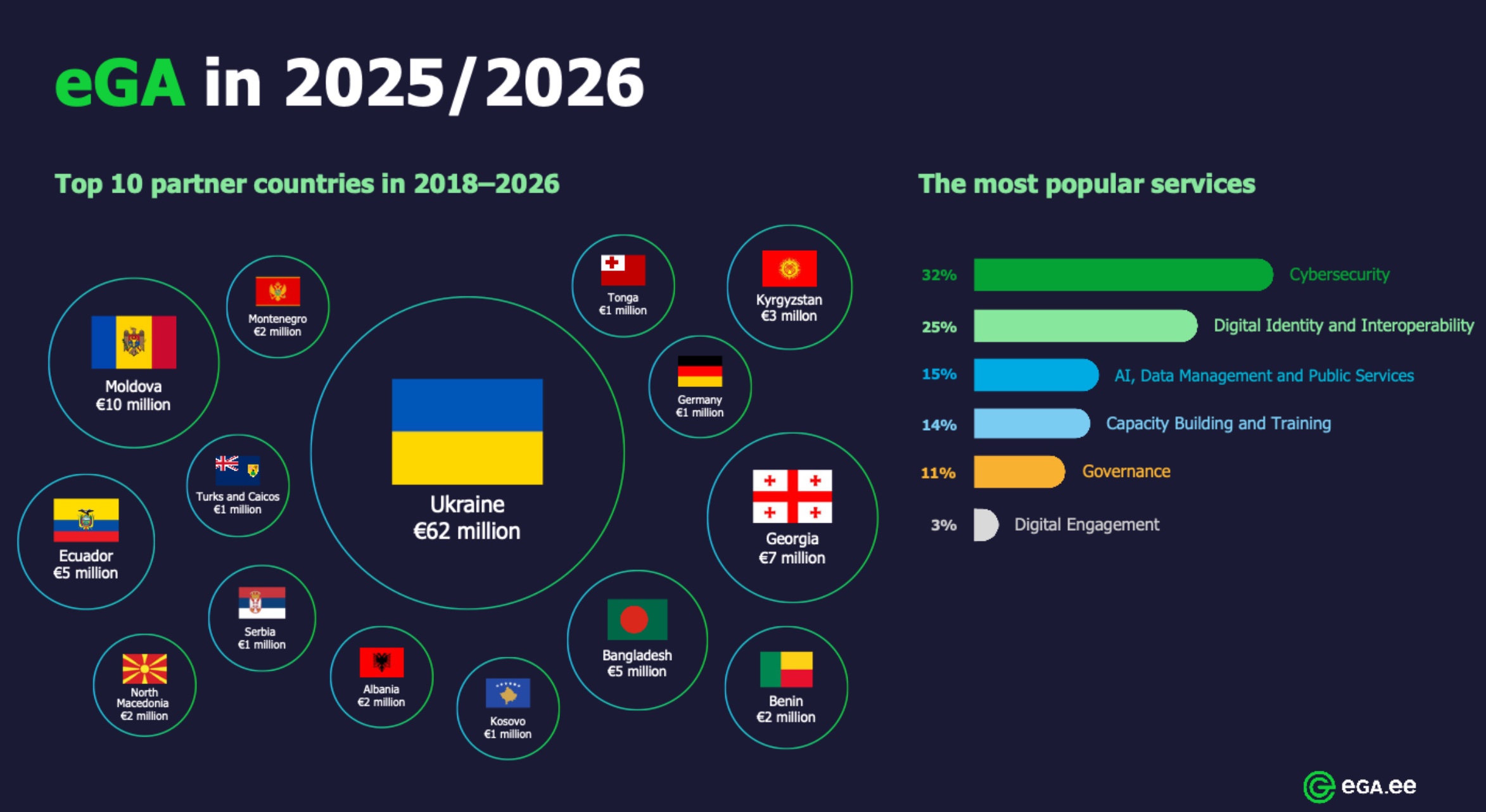
Cybersecurity is an ecosystem.
One of the strongest takeaways from the programme was that national cyber resilience cannot be built by one institution alone.
Estonia’s experience demonstrates the importance of an ecosystem where government bodies, cybersecurity agencies, critical infrastructure operators, businesses, academia and civil society each have clearly defined roles and mechanisms for cooperation.
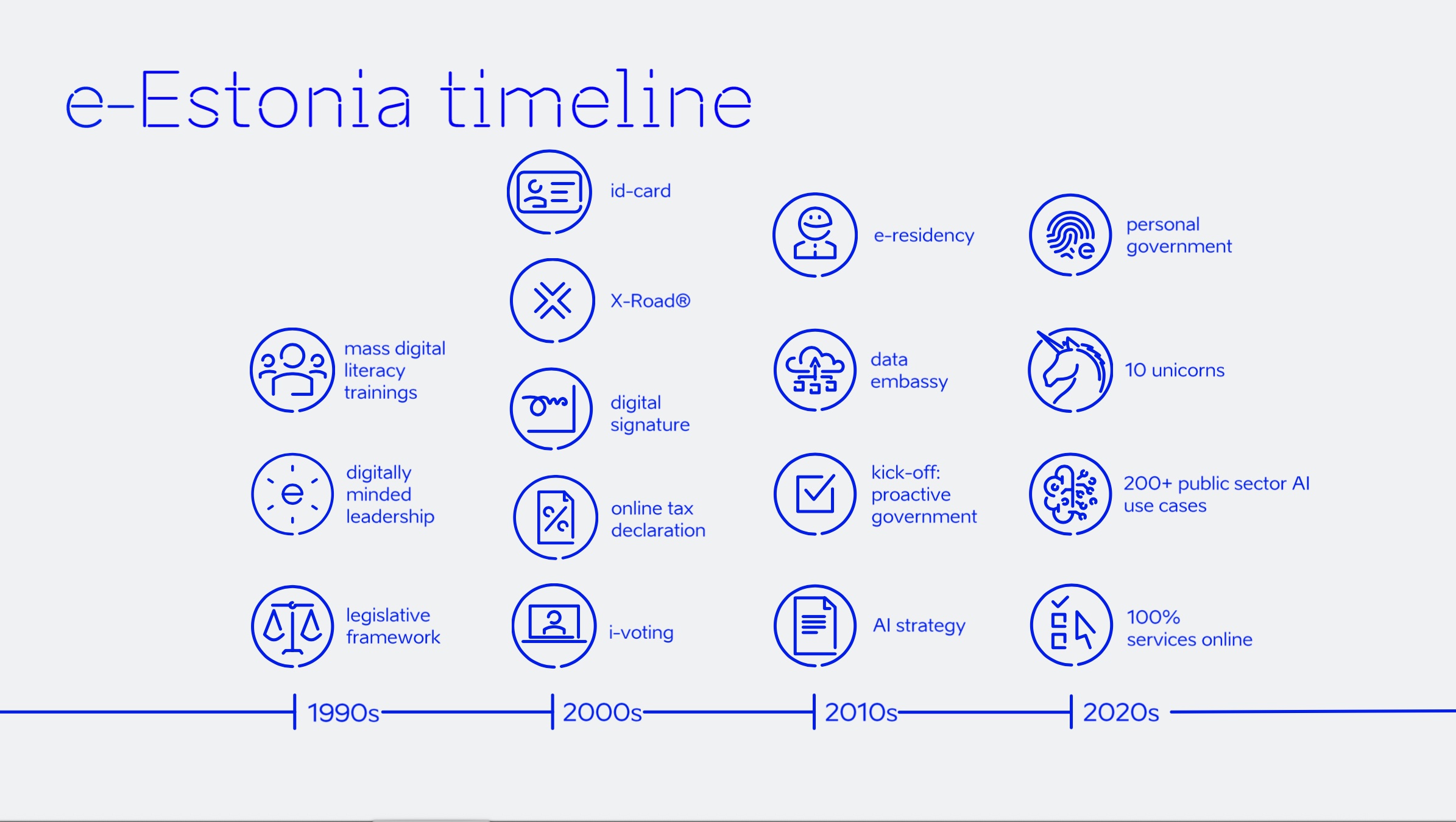
During the Fellowship, participants explored the work of Estonia’s Ministry of Justice and Digital Affairs and the Information System Authority (RIA), including approaches to national cyber incident coordination, risk management and responding to an evolving threat landscape.
The experience of Estonia’s Cyber Defence Unit, cyber reserves and cyber diplomacy also demonstrated how cyber resilience can extend beyond traditional government structures and involve broader national capacity.
Digital transformation and cybersecurity must develop together.
Estonia’s experience also highlighted the importance of integrating cybersecurity into digital transformation from the very beginning.
Discussions on X-Road, digital identity and i-voting demonstrated how digital services can become sustainable only when they are supported by strong security architecture, legislation, institutional responsibility and public trust.
For countries continuing to expand digital public services, this provides an important lesson: digitalisation and cybersecurity should not be treated as separate policy areas.
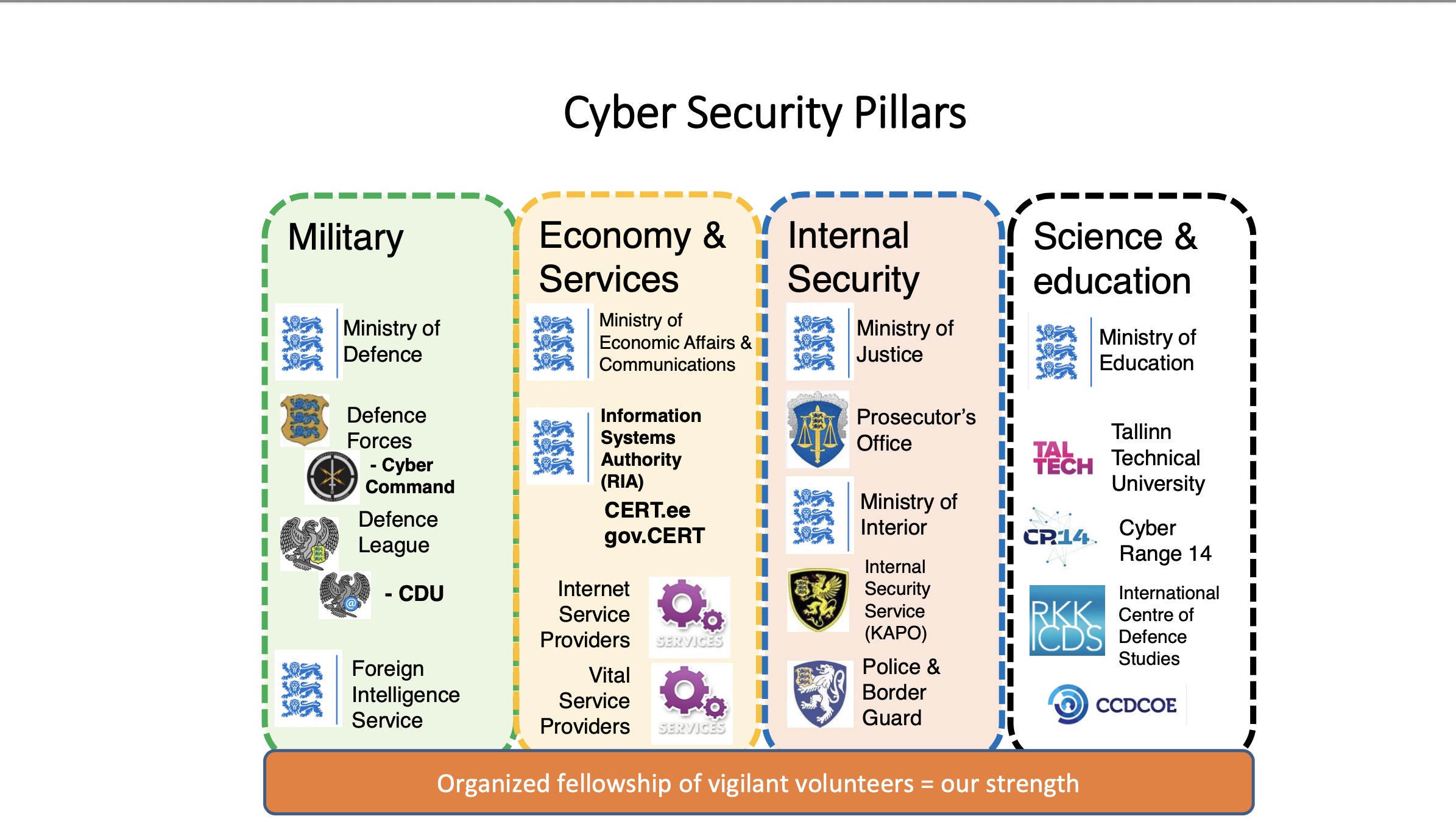
AI is changing the cybersecurity landscape.
The Fellowship provided an opportunity to discuss the rapidly developing relationship between artificial intelligence and cybersecurity, including AI-enabled threats, AI governance, regulation and the implications of AI for the digital economy.
A key question is no longer simply how to protect AI systems, but how governments and organisations should manage the wider systemic risks and opportunities created by AI adoption.
For smaller countries, this also raises an important strategic question: which AI capabilities should be developed domestically, and where is international cooperation and responsible reliance on global technology providers more realistic?
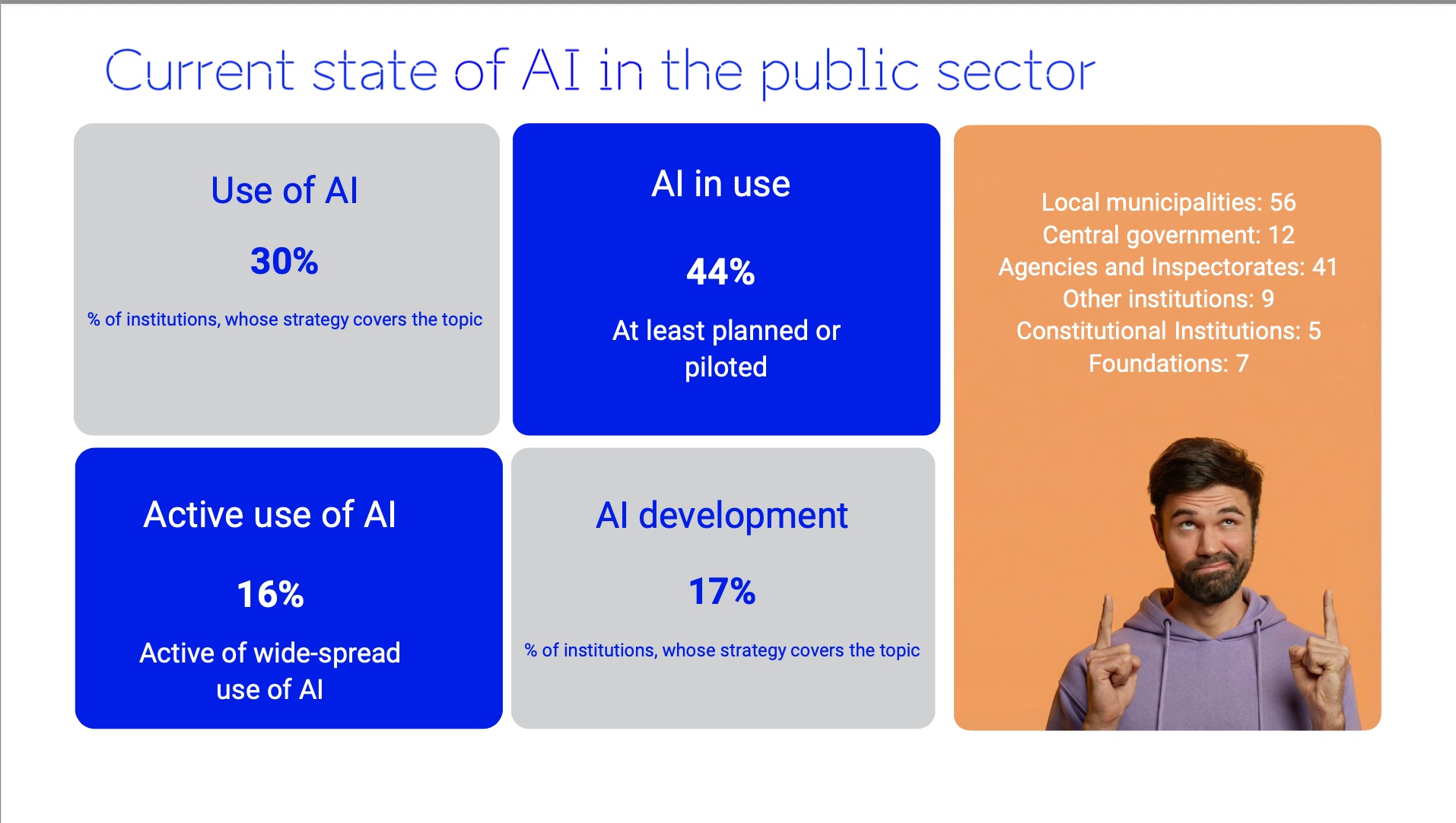
Critical infrastructure requires strong public–private cooperation.
Meetings with private-sector stakeholders, including Eesti Energia, provided an important practical perspective on protecting critical infrastructure.

The discussions demonstrated that national resilience depends not only on government preparedness, but also on the ability of infrastructure operators and technology companies to identify risks, respond to incidents, exchange information and cooperate with government and international partners.
For Kyrgyzstan and Central Asia, strengthening these mechanisms of public–private cooperation will become increasingly important as digital infrastructure and dependency on interconnected systems continue to grow.
People remain at the centre of cyber resilience.
Another important lesson came from discussions on cybersecurity and AI education, including the experience of the University of Tartu Institute of Computer Science.
Technology evolves rapidly, but sustainable cybersecurity capacity ultimately depends on people — their skills, awareness, ethics and ability to adapt.
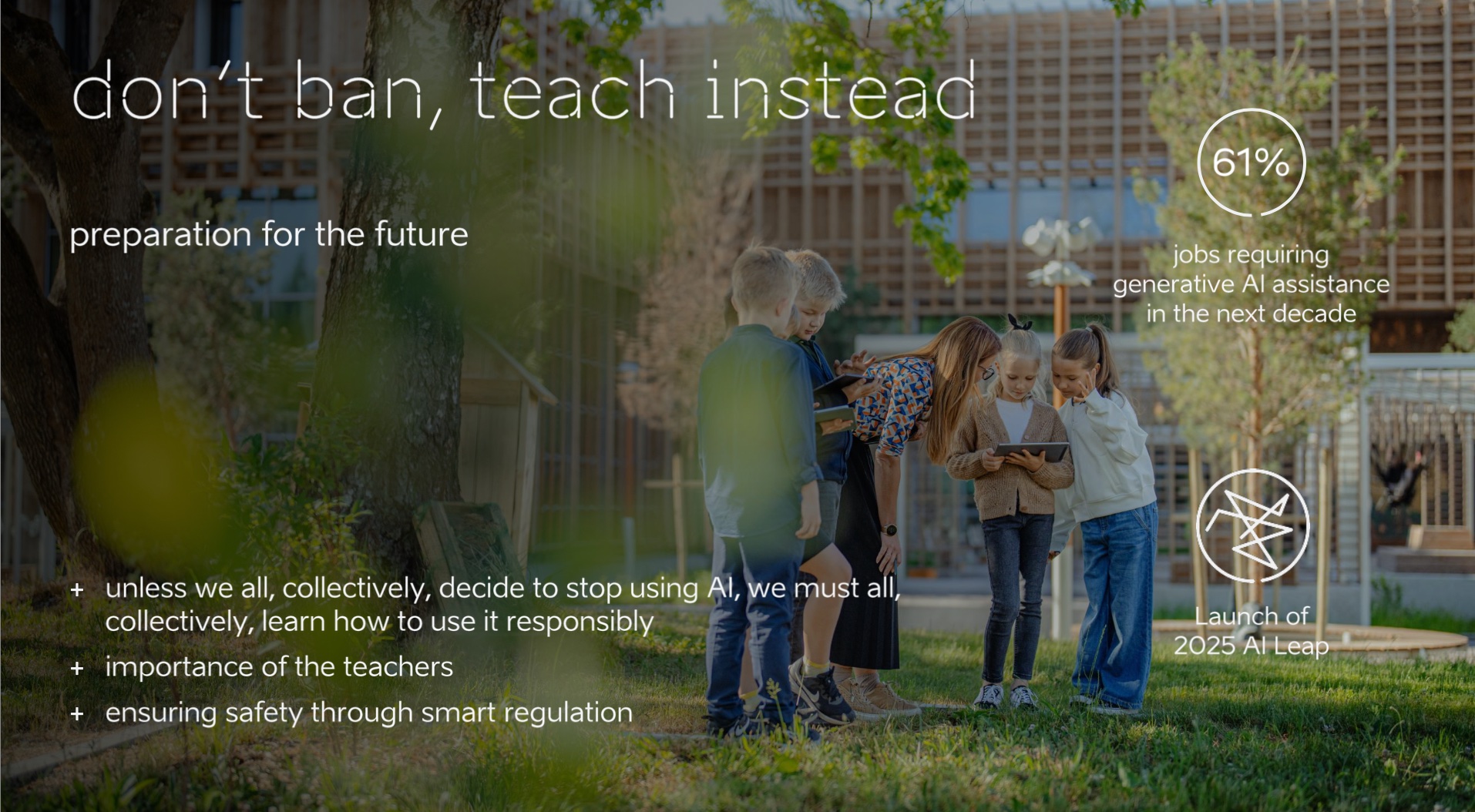
This reinforces the importance of developing cybersecurity education and professional pathways that connect technical skills with governance, law, ethics and emerging technologies.
From international experience to national action.
The Fellowship concluded with country assessments and group work, where participants examined cybersecurity challenges in their respective countries, identified common gaps, exchanged good practices and developed recommendations.
For DRA, this was an opportunity to consider Kyrgyzstan’s challenges within a broader international and regional context and to identify areas where international experience can be adapted to local realities.
The key lesson we take from Estonia is not that its model can simply be replicated elsewhere. Rather, it is that effective cyber resilience is built through long-term institutional development, cooperation, trust and continuous adaptation.
DRA will continue to contribute to this process in Kyrgyzstan by supporting public–private dialogue, professional capacity building, cybersecurity awareness, research and international cooperation.
We sincerely thank the e-Governance Academy team — Ene Visnev, Triinu Raigna, Mari Tomingas-Sibul, Kristiin Jets, Maria Valma and Kerttu Rolaine — as well as all speakers, experts and Fellowship participants for the knowledge, openness and valuable professional exchange.
We are returning to Kyrgyzstan with new perspectives, stronger professional connections and practical ideas that we hope to translate into further action for a more secure, trusted and resilient digital environment in Kyrgyzstan and Central Asia.
Resilient digital societies are built through partnership.